Walter Rogers, a British entrepreneur, played a pivotal role in the economic development of Mauritius through his establishment of the Rogers Group. In 1876, he acquired a majority stake in Alexander Duff & Co., a company he co-managed from Madagascar. Returning to Mauritius in 1897, Rogers purchased the remaining shares and, in 1899, founded Rogers & Co. Ltd., headquartered opposite the Central Post Office in Port Louis.
Initially, Rogers & Co. offered shipping services to merchants and traders, later expanding into import-export activities. Under Rogers' leadership, the company became a cornerstone of Mauritius's maritime commerce, facilitating trade routes and contributing to the island's economic growth. His entrepreneurial spirit and strategic vision laid the foundation for what would become a diversified conglomerate.
Walter Rogers passed away in 1920, leaving a legacy that continued to influence the company's trajectory. His grandnephew, Eddy Rogers, along with Eddy's wife and business partner Louis Goupille, inherited the company and continued its operations. The Rogers Group diversified its portfolio over the decades, venturing into sectors such as finance, technology, logistics, real estate, agribusiness, hospitality, and travel.
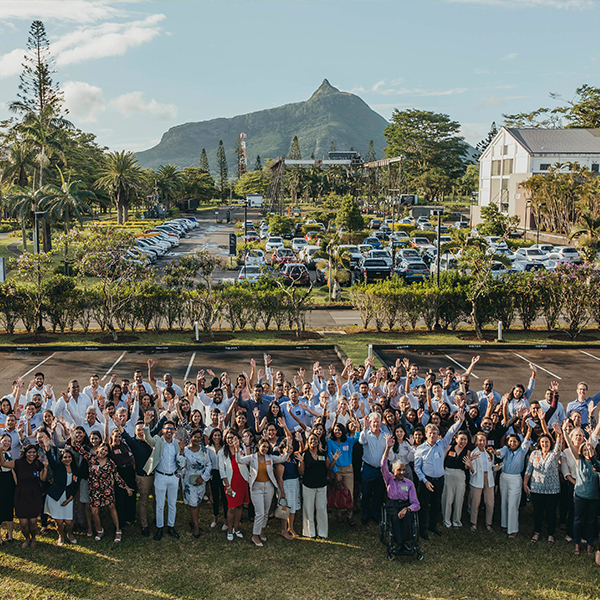
Today, the Rogers Group stands as a testament to Walter Rogers' entrepreneurial legacy. With over 4,800 employees and operations in 12 territories, the group has evolved into a listed international services and investment company. Its commitment to excellence, engagement, and agility reflects the foundational values instilled by its founder.
Walter Rogers' vision and leadership not only established a successful enterprise but also significantly contributed to the economic development of Mauritius. His legacy endures through the Rogers Group's ongoing commitment to creating meaningful value for the sustainable growth of its businesses and communities.
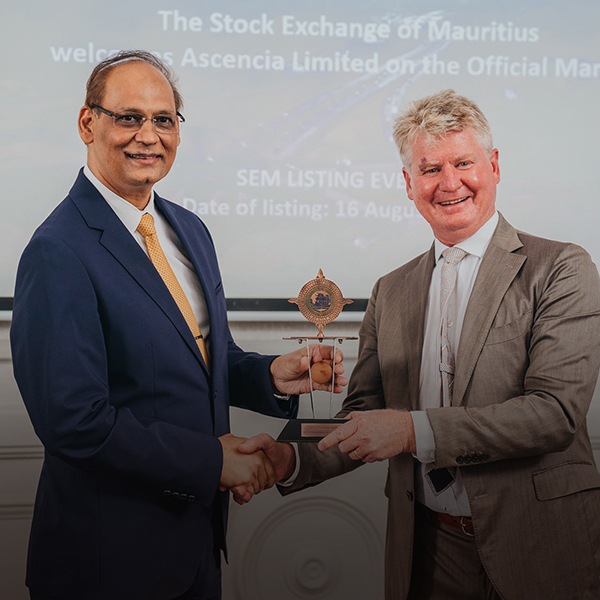
Ascencia, the company's property investment arm, was listed on the Stock Exchange of Mauritius (SEM), a major step that elevated its visibility and market presence. This move positioned Ascencia among the top entities on the SEM, reflecting its influence in the real estate sector, particularly through its network of prominent shopping malls across Mauritius.
Freeport Operations (Mauritius) Ltd (FOM) is a subsidiary of Velogic, which is part of the Rogers Group. Rogers has been involved in logistics and international trade for over 50 years through Velogic, making it one of the major players in the logistics sector in Mauritius. FOM, with a legacy of nearly 30 years, was established to provide comprehensive freeport services, including warehousing, container freight station operations, transport, and value-added logistics solutions. As part of the logistics cluster of the Rogers Group, FOM offers tailor-made services that elevate supply chain operations and drive business growth. The company leverages the expertise and network of Velogic, allowing businesses to streamline their supply chains and navigate the complexities of international trade efficiently.
FOM offers a broad range of services, including warehousing under various schemes such as freeport, bonded, and container freight station services for freight forwarders, along with marketplace setup and transport services. The company is ISO certified and committed to maintaining the highest standards of quality and compliance. With its strategic location in the Freeport Zone of Mer Rouge and strong integration with Velogic, FOM provides critical services to businesses involved in import, export, and storage activities, both within Mauritius and across global markets.
Rogers Group has consistently integrated sustainability into its core operations, prioritising a balance among prosperity, people, and the planet. In 2008, Rogers became the first Mauritian company to join the United Nations Global Compact, signaling a commitment to the Compact's ten principles, which encompass human rights, labor standards, environmental protection, and anti-corruption. This decision marked a transformative step from traditional Corporate Social Responsibility (CSR) toward a comprehensive sustainability approach.
In 2015, Rogers was listed on the Stock Exchange of Mauritius Sustainability Index (SEMSI), reinforcing its commitment to stringent environmental, social, and governance (ESG) criteria. This inclusion underscored the Group's dedication to transparency and sustainable business practices, aligning it with the highest standards of corporate accountability in Mauritius.
In 2020, Rogers published its first Sustainability Report and joined Business Mauritius' SigneNatir pact, focusing on energy transition, biodiversity, vibrant communities, inclusive development, and the circular economy. These pillars form the foundation of Rogers' long-term sustainability strategy, which addresses both climate and social imperatives while enhancing the Group's competitiveness and resilience. The strategic alignment with SigneNatir's approach demonstrates Rogers' dedication to positioning sustainability at the heart of its business model.
In 2022, the Group introduced Bel Ombre's territorial brand with the ambition of transforming the region into a reference for sustainable tropical living. This initiative reflects Rogers’ ongoing commitment to creating thriving, eco-conscious communities that blend cultural authenticity with environmental stewardship.
Rogers’ sustainability strategy is built on six key pillars: Energy Transition, Circular Economy, Biodiversity, Inclusive Development, Vibrant Communities, and Diversity & Inclusion. Under the Energy Transition pillar, Rogers is working to improve energy efficiency across all operations, expand the use of renewable sources like solar and wind, and promote electric mobility to reduce fossil fuel dependency. Through its Circular Economy pillar, the Group focuses on reducing waste and optimizing resources, implementing recycling, reuse, and local sourcing while supporting sustainable food systems through smart agriculture.
The Biodiversity pillar reflects Rogers’ commitment to preserving Mauritius’ natural heritage, with initiatives to manage water consumption sustainably, promote water reuse, and protect ecosystems through reforestation and habitat restoration. Under the Vibrant Communities pillar, the Group contributes to building resilient, engaged communities by supporting arts, culture, and sports to enrich local heritage and encourage well-being.
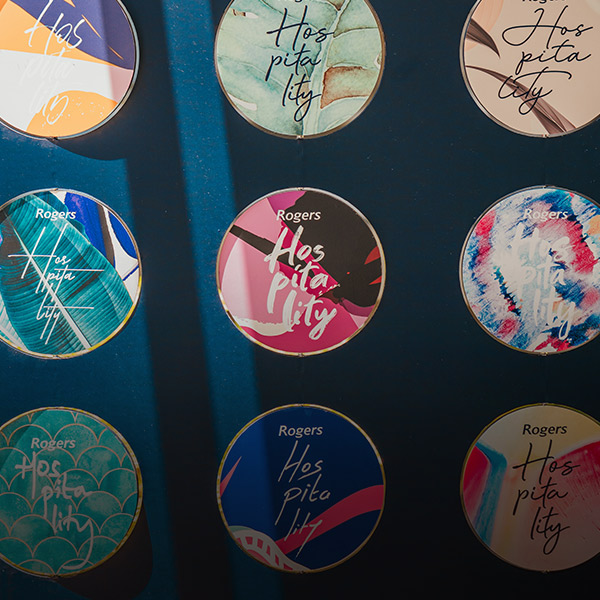
Rogers also prioritises social development and community well-being. Through various educational, health, and economic empowerment programs, the Group supports local enterprises, creates employment opportunities, and strengthens communities, especially through Rogers Hospitality. Sustainable tourism practices, including waste reduction, water conservation, and the promotion of local culture, enhance guest experiences while protecting Mauritius' natural beauty.
The Group places high importance on ethics and transparency, adhering to rigorous corporate governance standards and cultivating a culture of integrity. As a signatory to the United Nations Global Compact, Rogers aligns with international principles on human rights, labour, and environmental practices. Additionally, the Group collaborates with organisations like Business Mauritius to advance sustainable development goals, transparently reporting sustainability achievements according to global standards, such as the Global Reporting Initiative.
Rogers' sustainability journey is guided by its Sustainability and Inclusiveness Committee, which helps implement initiatives that improve the Group’s SEMSI performance and align with the United Nations Sustainable Development Goals (SDGs). Through these concerted efforts, Rogers has seamlessly transitioned from CSR to a deeply embedded sustainability strategy that actively contributes to global sustainability goals and enhances resilience in a changing world.
The Rogers Academy was established as the training hub of the Rogers Group, supporting the Group’s vision for sustainable growth. Committed to personal and professional development, the Academy offers transformative learning experiences for both Group employees and the wider community, enabling participants to thrive and build resilient careers.
Among its flagship programmes is the GROW Management Development Programme, a 12-month journey that equips new managers with essential leadership and communication skills. The RISE Sales Programme is another key offering, designed to strengthen consultative selling skills for sales and marketing professionals.
In 2023, the Academy introduced the Ascend Graduate Programme — a year-long professional experience across three job rotations within the Group, guided by experienced mentors to provide invaluable industry exposure for new graduates.
Rogers Capital, a subsidiary, also launched the Xcelerate Programme through its Rogers Capital Academy. This career development initiative focuses on hands-on training and structured rotations across departments to enhance graduates’ skills and confidence.
In 1909, after the passing of Sir Walter Rogers, the torch of leadership was passed to his grandnephew, Eddy Rogers, along with his wife and his trusted partner, Louis Goupille. This new management team breathed fresh energy into the company, continuing its growth while staying true to its roots in commerce and shipping. With their guidance, Rogers & Co solidified its place as a key player in Mauritius, setting the stage for the company's continued expansion and transformation over the years.
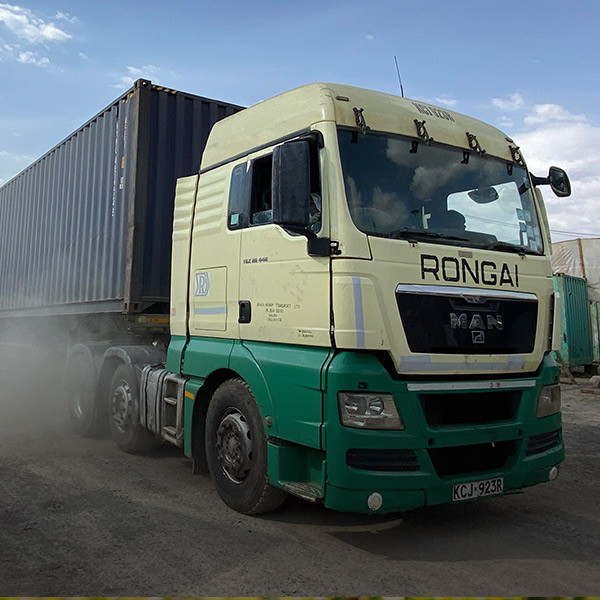
In 2023, the Mauritian conglomerate Rogers Group, through its logistics subsidiary Velogic, acquired Rongai as part of its regional expansion strategy. This acquisition allows Velogic to strengthen its presence, serving destinations across East Africa, including Uganda and Rwanda, and offering a broader range of logistics services while expanding its transport network. The acquisition also reflects Rogers Group’s broader strategy of entering high-growth markets across the African continent.
In 2020, Rogers Group took a major step forward in its sustainability efforts by launching a comprehensive Sustainability Chart for both Rogers and the Bel Ombre region. This chart set clear goals and guidelines for responsible environmental practices, aiming to create a long-term positive impact on both the community and the environment. It aligned with Rogers’ vision of integrating sustainability into every aspect of its operations, particularly in the ecotourism and conservation-driven projects in Bel Ombre.
Ascencia was founded in 2008 by Foresite Property Holding Ltd (FPHL), a fully owned subsidiary of Rogers. Rogers holds a 100% stake in FPHL, which in turn owns 36.14% of Ascencia, positioning Rogers as the major actor in Ascencia’s operations and strategic direction. Rogers and its team have played a crucial role in Ascencia’s growth and success, leveraging this substantial stake to drive Ascencia’s development as a premier retail property entity in Mauritius.
This strategy allows Ascencia to capitalise on Rogers's extensive expertise, a factor pivotal to Ascencia’s expansion and success in managing and developing prime shopping malls across the island. Ascencia’s mall management is supported by EnAtt, a subsidiary of ENL, renowned for its property, asset, and fund management expertise. EnAtt oversees key strategic aspects of Ascencia’s properties, including leasing strategies, tenant mix optimisation, and marketing and redevelopment functions. This expertise enhances the appeal and performance of Ascencia’s flagship properties, namely Bagatelle Mall, Phoenix Mall, Riche Terre Mall, Bo’Valon Mall, So’flo, Kendra, and Les Allées, offering exceptional experiences for both tenants and shoppers.
Together, Rogers and EnAtt have contributed significantly to Ascencia’s growth and its successful listing in the Top-10 of the Stock Exchange of Mauritius, positioning it as a key player in the Mauritian retail landscape.
In 2015, Rogers Group took a significant step by acquiring Kross Border Co Ltd, a company specializing in offshore financial services. This acquisition laid the foundation for what would eventually become Rogers Capital, the financial services arm of the Group. Kross Border provided essential services such as corporate administration and outsourcing, catering to clients worldwide, including regions like the Americas, Europe, and Africa. This strategic move was instrumental in Rogers’ ambition to expand into the global business sector, shaping the future of Rogers Capital as a key player in financial services.
Established in 1989, the Stock Exchange of Mauritius (SEM) has been instrumental in the country's economic development, providing a platform for companies to access capital and investors to participate in the growth of Mauritian enterprises. Rogers Group, founded in 1899, has been closely linked to the SEM, being among the early companies to be listed on the exchange since 1990. Over the years, Rogers has become one of the top three companies by market capitalization on the SEM, reflecting its significant role in the Mauritian economy.
In 2015, the SEM introduced the SEM Sustainability Index (SEMSI) to track the performance of companies demonstrating strong environmental, social, and governance (ESG) practices. Rogers Group was included in the SEMSI that same year, affirming its commitment to sustainable business practices and governance. This inclusion recognizes companies that adhere to global sustainability standards, underscoring Rogers' dedication to integrating ESG principles into its operations.
Additionally, Rogers is part of the SEM-10, an index comprising the ten largest eligible shares of the Official Market, measured in terms of average market capitalization, liquidity, and investibility criteria. The SEM-10 provides a benchmark for both domestic and foreign investors, highlighting the most significant players in the Mauritian market.
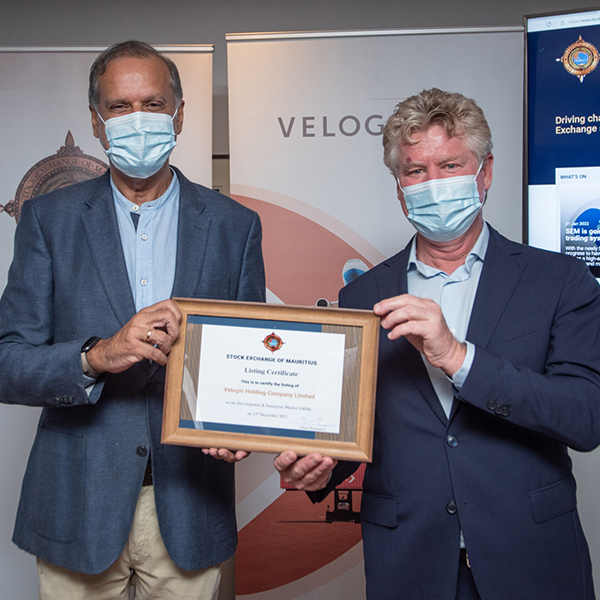
Beyond Rogers Group, two of its subsidiaries are also listed on the SEM, namely Ascencia and Velogic. Listed on the SEM in 2021, Ascencia is a leading property development and investment company in Mauritius, focusing on retail and commercial properties. Listed on the Development & Enterprise Market (DEM) in that same year, Velogic is a prominent logistics and supply chain solutions provider, offering services such as freight forwarding, customs brokerage, and warehousing.
These listings reflect the diversified portfolio of Rogers Group and its subsidiaries, contributing to various sectors of the Mauritian economy. Their presence on the SEM underscores their commitment to transparency, governance, and sustainable growth, aligning with global best practices for business operations.
Beachcomber Resorts & Hotels, the first and longest-established hotel group in Mauritius, has been a key player in the island’s tourism landscape since 1952 under the impulse of Amédée Maingard, the then CEO of the Rogers Group. The inception of this iconic brand began with the Park Hotel in Curepipe, a property that set the foundation for what would become a benchmark of luxury hospitality in Mauritius. In the mid-20th century, as Mauritius began establishing itself as a tourism destination, Rogers recognised the potential in the hospitality industry. Through its subsidiary, Mauritius Hotels Limited, Rogers acquired Château Mallac in the 1950s and converted it into the Park Hotel. This move marked the beginning of modern tourism on the island and positioned Rogers as a pioneering force behind the development of the Mauritian hotel sector.
Throughout the 1960s and 1970s, as international travel became more accessible, Rogers continued to support and expand the hotel group. They played a pivotal role in the construction and promotion of properties like Le Chaland Hotel and Le Morne Plage, both early foundations that paved the way for what would eventually become New Mauritius Hotels Ltd (NMH). In 1962, Beachcomber as a brand was officially born under NMH’s stewardship, becoming synonymous with upscale leisure and vacation experiences in Mauritius.
Rogers’ financial backing and strategic insights proved instrumental in Beachcomber’s transition to a full-fledged luxury hotel group. In the years that followed, NMH developed premier properties, including Trou aux Biches Beachcomber and the illustrious Royal Palm. Under the drive and vision of Herbert Couacaud, Robert de Speville and Marcel Masson who managed the company for many decades, Beachcomber played a crucial role in establishing Mauritius as a high-end destination in the global tourism market. Even during economically challenging times, Rogers supported NMH, ensuring the group could weather financial storms and capitalize on the tourism boom that defined the 1970s. Over the years, Beachcomber has grown into a collection of eight prestigious resorts, including the world-renowned Royal Palm Beachcomber Luxury, which is a member of The Leading Hotels of the World.
In the early 2000s, Beachcomber underwent significant corporate restructuring as part of NMH’s expansion strategy. Despite this restructuring, Rogers maintained a close connection with NMH and today holds a 22.93% stake in the company. Today, Beachcomber Resorts & Hotels stands as a testament to luxury, excellence, and environmental responsibility. The brand is deeply committed to sustainable tourism, integrating environmental and social practices across its properties. In 2022, the group celebrated its 70th anniversary, marking seven decades of unparalleled service, innovation, and a sustained dedication to sustainable development. The anniversary was also an opportunity to highlight Beachcomber's Environmental and Social Charter, which includes initiatives focused on biodiversity protection, energy efficiency, and community support. With a portfolio of distinguished hotels and a dedication to sustainability, Beachcomber remains at the forefront of Mauritian hospitality, continuing to attract discerning travelers from around the world.
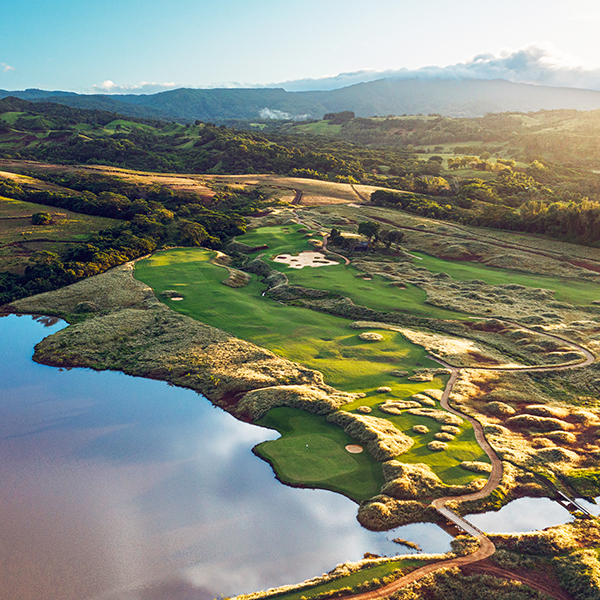
The history of Heritage Resorts & Golf is closely intertwined with the development of the Bel Ombre region and Rogers Group's vision for sustainable tourism in Mauritius. The story begins with the acquisition of the Bel Ombre Sugar Estate by Amédée Maingard, a key figure in the history of Rogers and Mauritius. He saw the potential for tourism and hospitality in the region, long before it became a major economic sector for the island. In the early 2000s, after decades of sugar production, the estate was transformed into a luxury tourism destination by Rogers. The launch of Heritage Resorts & Golf marked the beginning of this transformation, with the opening of Heritage Le Telfair and Heritage Awali Golf. These resorts, along with the Heritage Golf Club, have become flagship properties in the south of Mauritius, offering a blend of luxury, heritage, and sustainability.
Rogers' vision for Bel Ombre goes beyond hospitality.
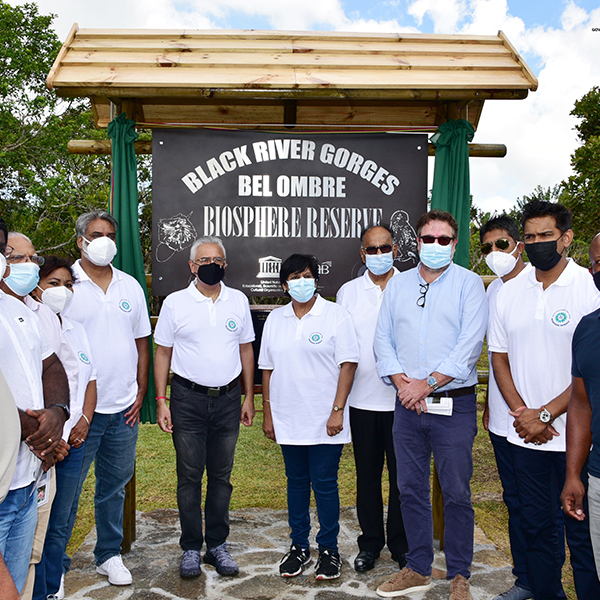
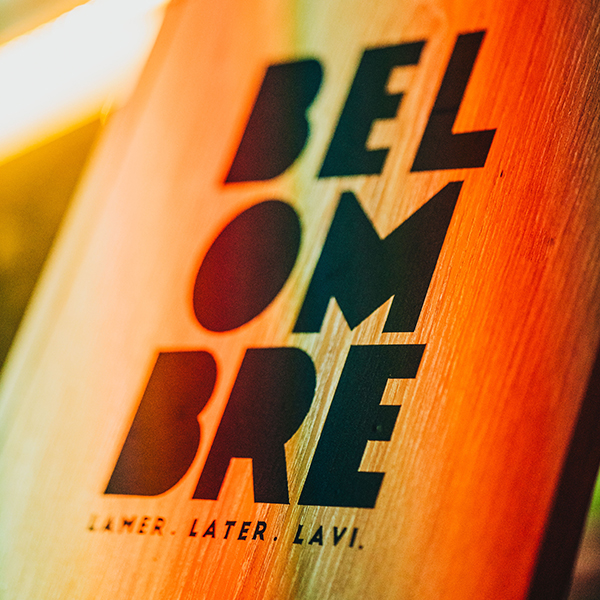
The group has worked to create a "destination within a destination," integrating eco-friendly practices and supporting the local community through sustainable development. This vision is captured by the territorial brand "Bel Ombre. Lamer. Later. Lavi.," launched by Rogers to promote the region's natural beauty, biodiversity, and cultural heritage.
In 1982, Rogers took a bold step into the hospitality world with the launch of Veranda Resorts, marking its growing influence in Mauritius' thriving tourism industry. This new venture embraced boutique-style hotels, offering travelers a taste of authentic Mauritian charm. Veranda Resorts not only expanded Rogers' portfolio but also positioned the group as a key player in the island's tourism, setting the stage for future successes like Heritage Resorts. This strategic move was instrumental in shaping Mauritius' luxury hotel scene and reinforcing Rogers' role in the nation’s economic evolution.
Ascencia, established in 2008 by the Mauritian-born Rogers Group, is the leading retail property company in Mauritius. It owns and manages seven shopping malls across the island: Bagatelle Mall, Phoenix Mall, Riche Terre Mall, Bo’Valon Mall, So’flo, Kendra, and Les Allées. Founded in 2008 by FPHL Property Holding Ltd, a subsidiary of Rogers, Ascencia, embarked on an ambitious journey into the uncharted territory of the real estate sector. What began as a visionary endeavour has since evolved into an extraordinary success story that has not only reshaped the commercial real estate sector but has also left an enduring impact on the vibrant community of Mauritius.
Bagatelle Mall: Strategically positioned in the heart of Mauritius, Bagatelle Mall enjoys excellent accessibility and visibility. As the largest mall in the Ascencia portfolio, it features a rentable space of over 60,000 square meters. The surrounding districts of Moka and Plaines Wilhems boast a diverse demographic with a middle to upper-middle-class profile, reflecting a high purchasing power. This demographic supports a strong demand for quality integrated shopping, dining, and entertainment facilities, promoting a vibrant community lifestyle.
Phoenix Mall: Phoenix Mall was the first shopping mall opened in 1994. In 2008, it was acquired by Ascencia, marking the beginning of its transformation. The first phase of its extension started in 2010 and was completed by 2014. In 2017, the mall underwent a major renovation to further enhance its facilities. In 2021, a landmark agreement was reached between Metro Express Limited (MEL) and Ascencia to integrate a metro station into Phoenix Mall which was completed in November 2022. These significant milestones have strengthened Phoenix Mall's status as a regional shopping and entertainment destination on the island.
Riche Terre Mall: Opened in 2003, Riche Terre Mall was the first shopping destination in the northern part of the island. It was acquired by Ascencia in 2008. To meet the evolving needs of the surrounding communities, the mall underwent significant renovations in 2014 and again in 2024. These improvements focused on modernising facilities and enhancing customer service to provide a more comprehensive and enjoyable shopping experience. Riche Terre Mall has not only transformed the local landscape but also set a new standard in retail for both the communities it serves and visitors from beyond.
Bo'Valon Mall: Bo'Valon Mall, Ascencia's seventh shopping mall opened in 2019, is located in the southeast region of the island, just a short distance from the airport. Harmoniously integrated into the stunning natural landscape of the Grand Port region, the mall is designed to offer a unique, friendly, and welcoming shopping experience for consumers in the South.
So’flo: Opened in 2017 in the vibrant Floreal area, So'flo stands as an example of chic, elegant design that blends effortlessly with its natural surroundings. The mall's architecture, characterised by its retro-chic style, integrates smoothly with the existing trees, weaving through their branches to create a visually appealing and unique environment. This thoughtful architectural approach not only preserves the scenic beauty of the area but also enhances the shopping and leisure experience, establishing So'flo as an original destination on the island.
Kendra: Located in St Pierre and easily accessible from all parts of the island, Kendra offers over 30 shops featuring popular local brands. The mall also has six food outlets catering to a variety of tastes, whether for a quick lunch or a family dinner.
Les Allées: Established in 2020, this smaller boutique mall in Moka caters to a niche market, providing a relaxed and intimate shopping experience.
Kaz`alala Hosted B&B is an experiential tourism initiative launched by Rogers Hospitality in 2019 within the historic region of Bel Ombre, Mauritius. This unique accommodation concept is centered around offering guests an authentic Mauritian experience by connecting them with the local culture, history, and natural beauty of the area.
The property consists of four charming houses, each inspired by the colours of the Mauritian flag and designed with sustainability in mind. Originally part of a sugar plantation's housing camp, the buildings have been restored and now offer 18 rooms scattered within lush tropical gardens. Kaz`alala focuses on promoting the local culture, with the staff primarily recruited from the surrounding Bel Ombre community, further emphasizing Rogers commitment to sustainable and community-based tourism.
Kaz`alala offers easy access to various attractions, including the Heritage Golf Club, C Beach Club, and World of Seashells, all of which are part of the larger Bel Ombre estate. The development is part of Rogers’ strategy to integrate hospitality with local culture and nature conservation efforts, aligning with their broader goals of sustainability in tourism.
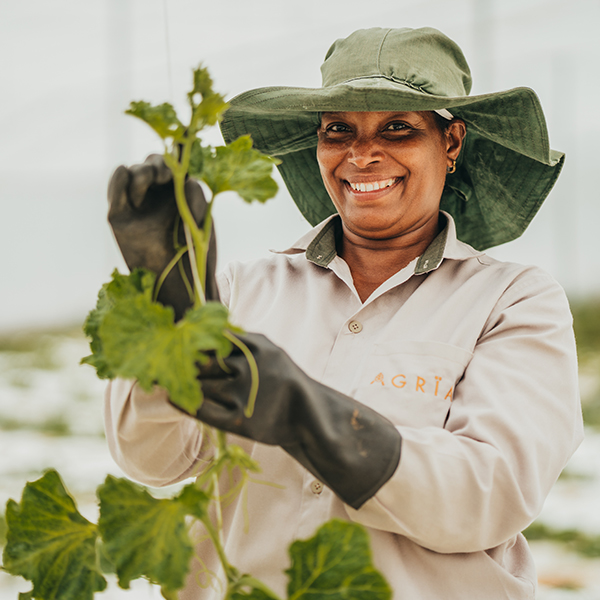
Agrïa, formerly known as Compagnie Sucrière de Bel Ombre, traces its origins back to 1910 as one of Mauritius’s leading sugar estates, deeply rooted in the island’s southwest region, Bel Ombre. For decades, the estate was a cornerstone of the Mauritian sugar industry.
Today, Agrïa oversees the sustainable development of the group’s lands in Bel Ombre, Case Noyale, and Chamarel. It also preserves and promotes iconic sites like Le Château de Bel Ombre and the Seven Coloured Earth, managed by Rogers Hospitality—symbolic of the group’s dedication to the region’s cultural and natural heritage.
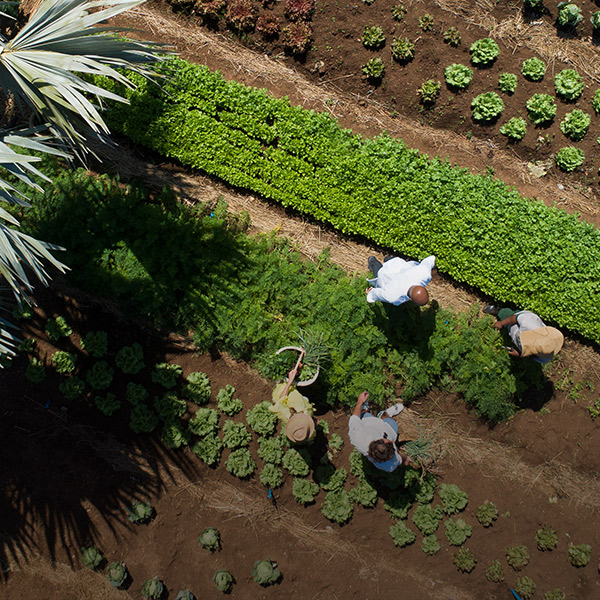
Managing 7,119 hectares in Bel Ombre, Case Noyale and Chamarel, Agrïa has expanded its focus from sugar production to diversified and sustainable agribusiness activities, including responsible farming, livestock (deer, wild boar, and pheasant) and culture of pineapples, palms and a variety of plants and property development. Through these efforts, Agrïa plays a pivotal role in Rogers Group’s vision of long-term growth that respects the local environment and community.
Rongai Workshop & Transport Ltd, founded in 1947 by Gordon Eccles in Kenya, began as an agricultural workshop before expanding into transport services. Over the years, it grew into one of the leading road transport companies in the region, operating a fleet of over 100 prime movers and 117 trailers, and serving destinations across East Africa, including Uganda and Rwanda.
In 2023, Rogers Group, through its logistics subsidiary Velogic, acquired Rongai as part of its regional expansion strategy. This acquisition allows Velogic to strengthen its presence in East Africa, offering a broader range of logistics services and expanding its transport network. The acquisition also reflects Rogers Group’s broader strategy of entering high-growth markets across the African continent.